Why kindergarten teachers rarely ask for early worksheets
When parents picture getting their child ready for school, it is easy to imagine stacks of tracing sheets, alphabet flashcards, and quiet desk time. Yet ask almost any reception or kindergarten teacher what helps a four-year-old settle in during the first month of term, and you will hear a very different list.
Teachers look for curiosity, the ability to listen to a short story in a group, comfortable finger strength for holding a crayon, and the confidence to say “I need help” or “Can I have a turn?”. None of those skills grow well on a worksheet—they grow through conversation, movement, and everyday play.
The four pillars of gentle school readiness
Rather than drilling letters or numbers in isolation, think of school readiness as four overlapping areas that fit naturally into family life:
- Language and listening: noticing beginning sounds in words, talking about stories, and following simple two-step directions.
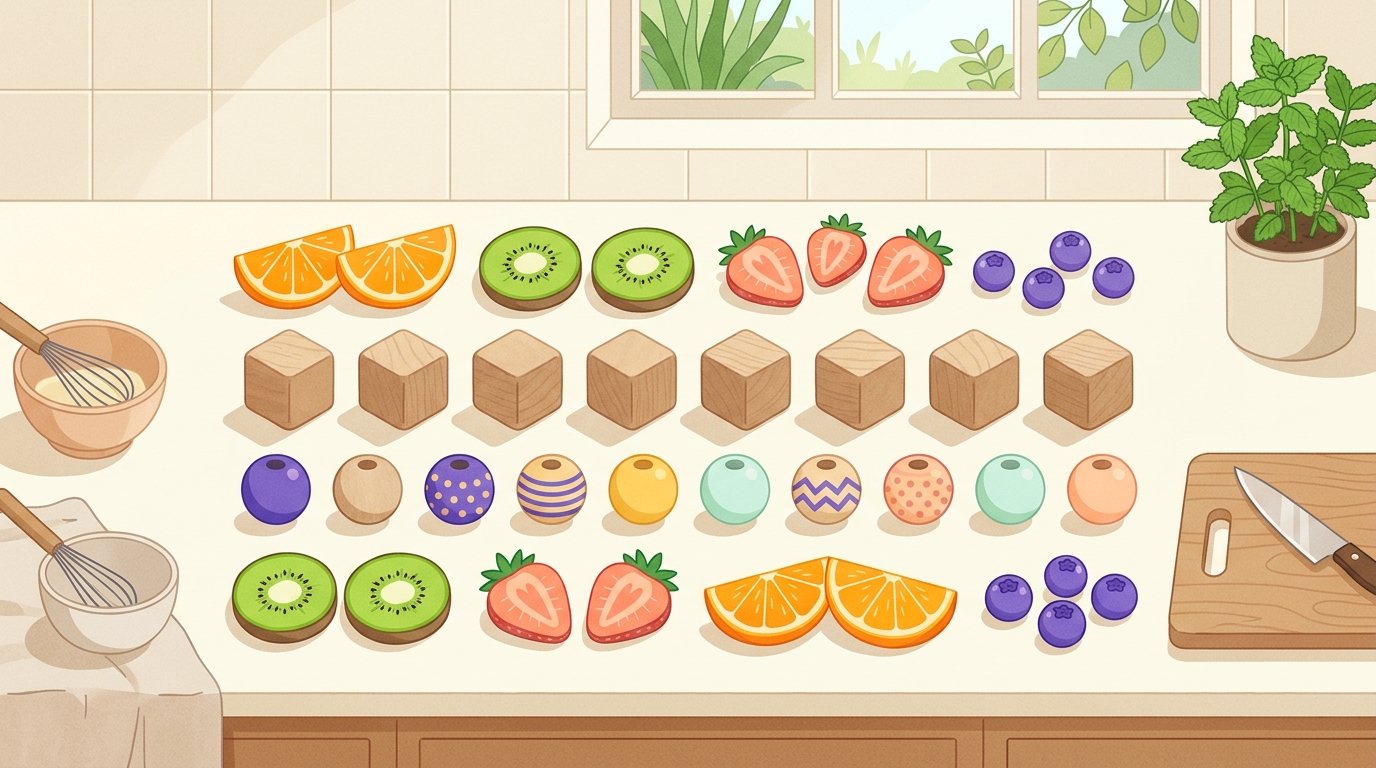
- Early maths sense: counting real objects slowly, spotting patterns at snack time, and comparing sizes like “taller” or “heavier”.
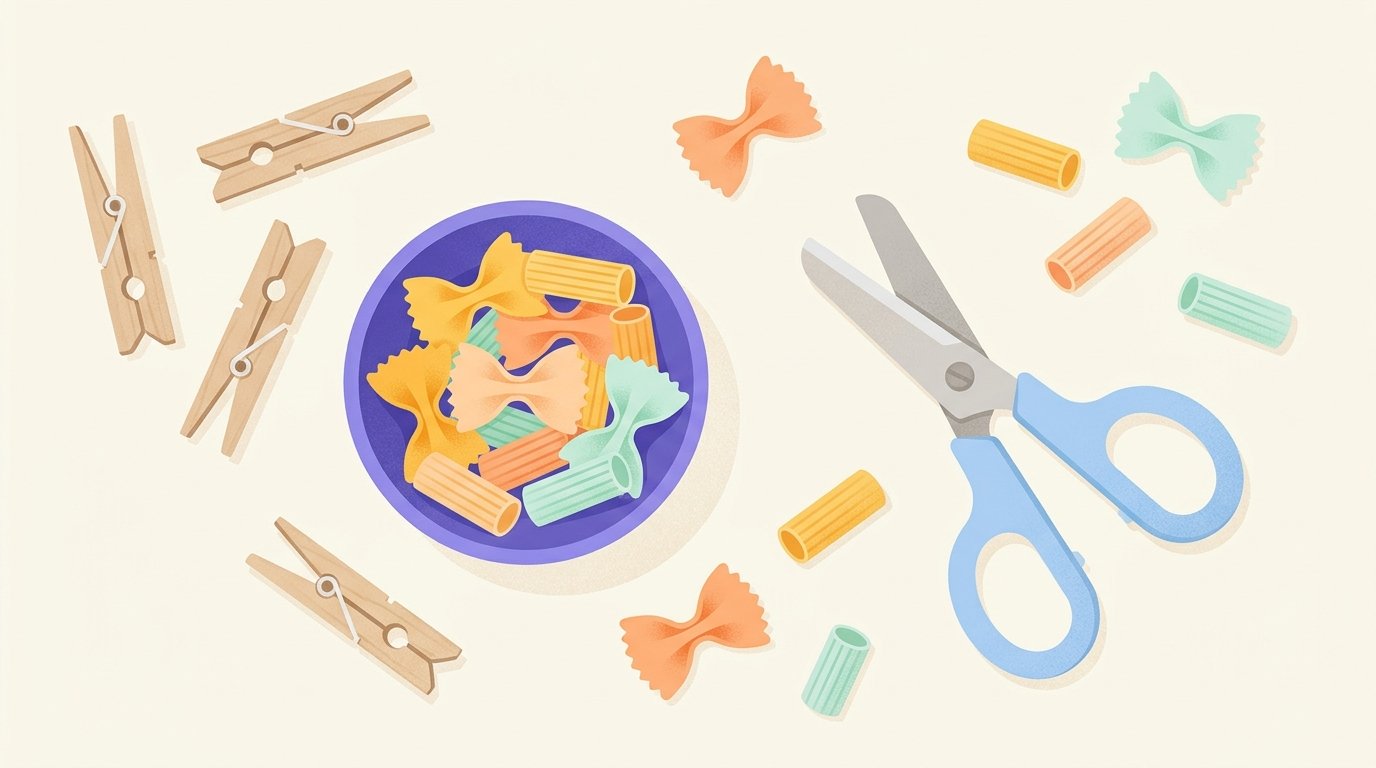
- Fine and gross motor control: pinching clothespins, building with blocks, snipping scrap paper, and balancing on one foot.
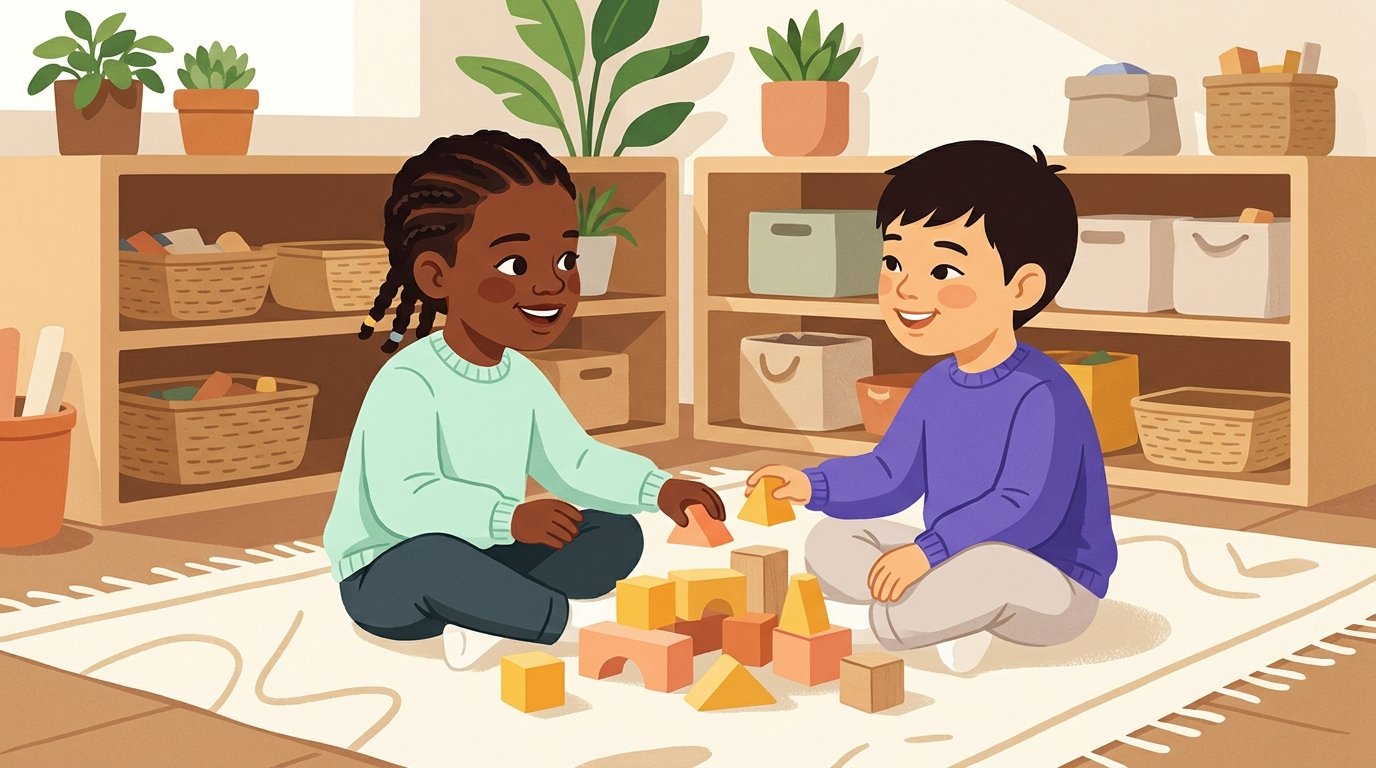
- Social and emotional confidence: naming feelings, taking turns without melting down every time, and practising zipping coats or opening lunchboxes.
The 10-minute rule: keep it short and joyful
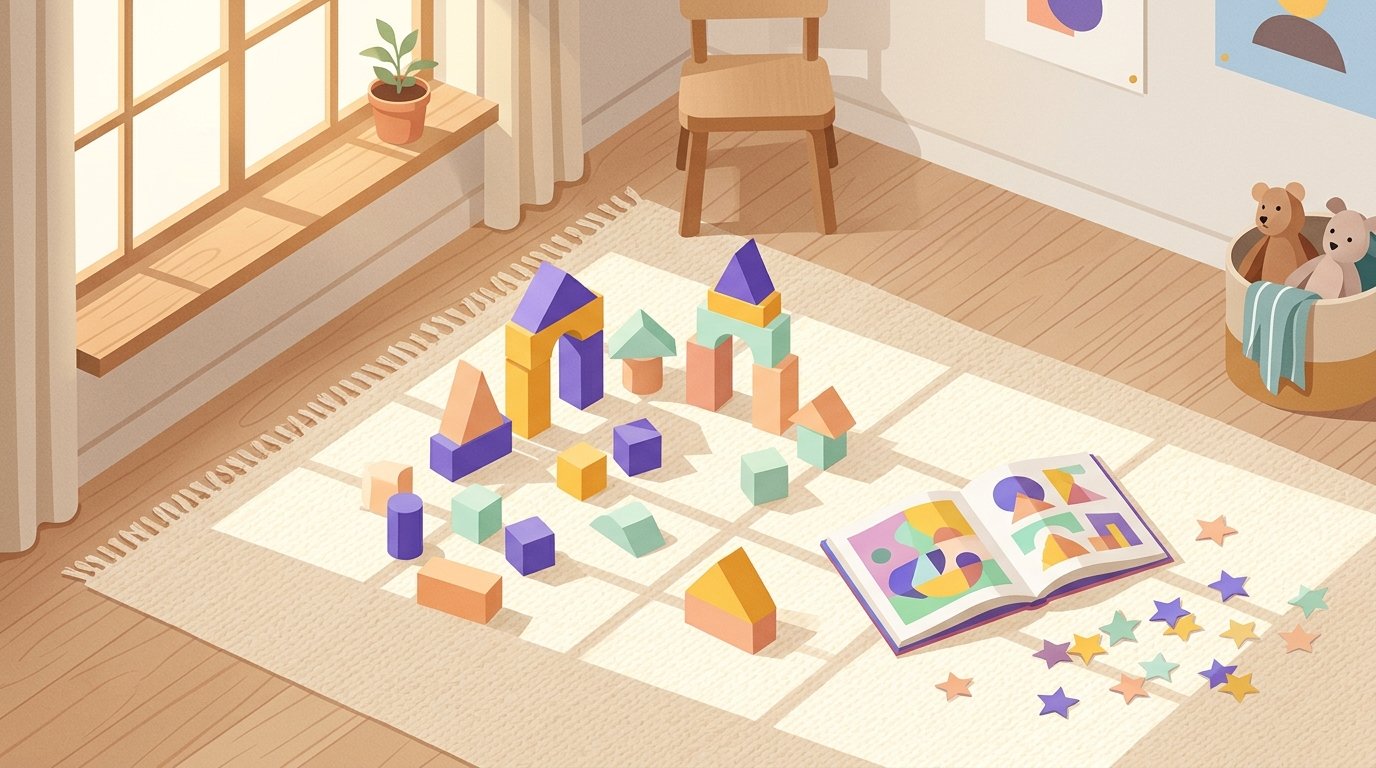
Young children learn best in short, warm bursts when they feel connected to you. Ten focused minutes on the living-room rug beats an hour of reluctant practice every single time. If your child loses interest after five minutes, wrap up on a happy note—that positive memory makes them eager to play again tomorrow.
A helpful habit is pairing one short “quest” with an existing daily anchor: right after breakfast, before afternoon snack, or while dinner is simmering. Consistency matters far more than complexity.
Praise the effort, not just the result
Instead of a quick “Good job!”, try describing what you actually noticed: “You touched each block carefully as you counted all five,” or “You kept trying with that tricky zipper until it clicked.” Specific encouragement teaches children that patience and effort are what help them grow.